A very nice restaurant that serves regional dishes especially North East and Nepali cuisines. Located near NCC gate at Safdarjung enclave, it is a really nice place. Tried their smoked pork thali and their Jhol momo and I really loved it. Their wheat beer is a must try. Service was quick and the waiters were polite and friendly and the pricing was reasonable with sufficiently generous portions
Overview
Tucked away at 111, Chaudhary Hukum Chand Marg in Humayunpur, Safdarjung Enclave, New Delhi, Bhansaghar feels less like a typical city restaurant and more like walking into someone’s kitchen back in Nepal. The narrow lane outside is lively and chaotic in that familiar South Delhi way, but once you step inside, the aroma of simmering spices, steamed dumplings, and slow-cooked curries instantly takes over. If you’re even remotely curious about authentic Nepali cuisine, this place delivers in a way that feels honest and grounded.
The first time I visited, I went with a friend who grew up in Kathmandu. He ordered without even glancing at the menu, which already told me something. We started with momo, the classic Nepali dumplings that many people compare to Tibetan or Himalayan versions. What stood out wasn’t just the delicate wrapping, but the filling-juicy, well-seasoned minced meat with hints of garlic, ginger, and coriander. The balance mattered. According to culinary research on Himalayan food traditions, steaming as a cooking method helps retain nutrients and moisture while reducing unnecessary fat, and you can taste that difference here. The momo at Bhansaghar aren’t greasy; they’re clean, flavorful, and served with a spicy tomato chutney that builds heat gradually rather than overwhelming you.
The menu goes far beyond dumplings. Dal bhat, considered Nepal’s national staple, is a must-try. Nutrition studies in South Asia often point out that lentils combined with rice form a complete protein when eaten together, making dal bhat both economical and nutritionally balanced. At Bhansaghar, the lentils are slow-cooked until creamy, tempered with cumin, garlic, and dried red chilies. The rice is fluffy, not sticky. The accompanying tarkari-vegetable curry-varies depending on availability, which tells you they’re working with fresh ingredients rather than relying on frozen stock.
I once asked a staff member how long they simmer their goat curry. He explained that it’s cooked on low heat for several hours to soften the meat without losing structure. That slow-cooking process is key. Food science experts, including those referenced by organizations like the Food and Agriculture Organization, have noted that low and slow heat helps break down connective tissue while preserving flavor compounds. You can actually feel that method in each bite. The goat is tender but not falling apart, infused with earthy spices like turmeric, coriander, and timur-a Sichuan-style pepper commonly used in Nepali kitchens.
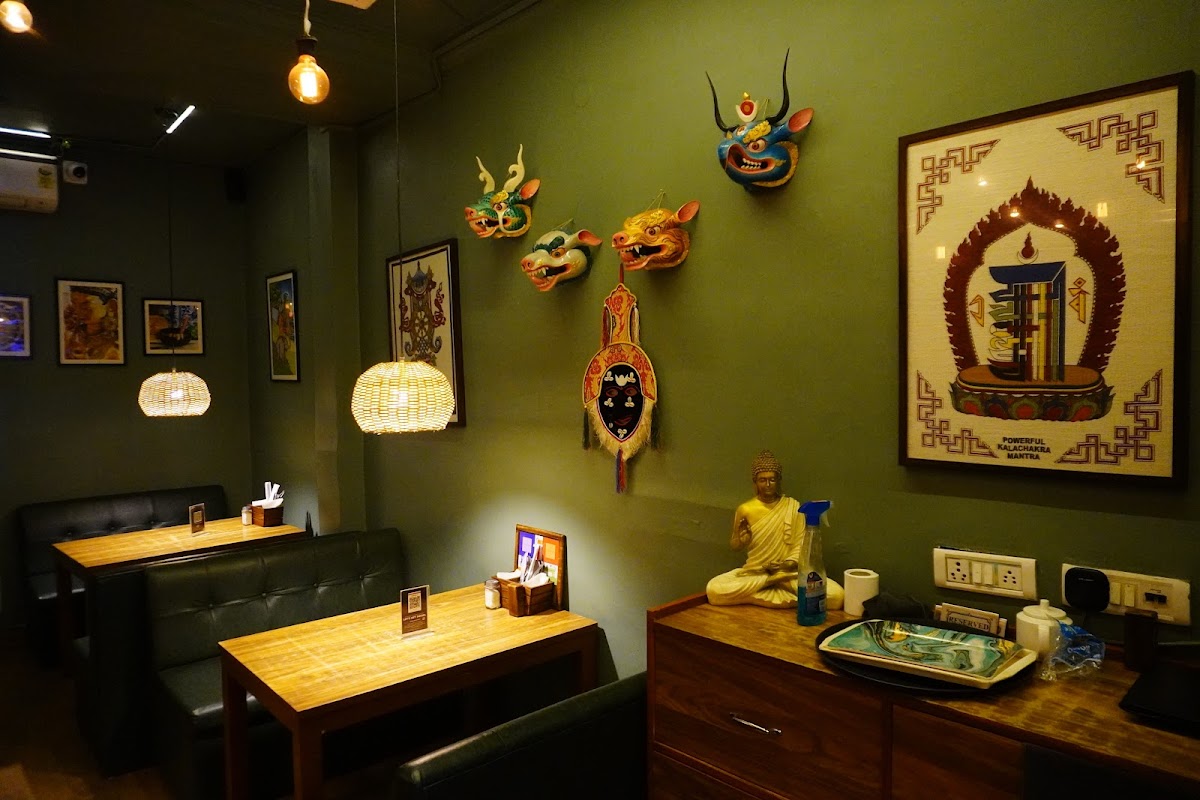
The restaurant’s atmosphere is simple but purposeful. Plastic chairs, plain walls, and no over-designed decor. It’s practical. In fact, that minimalism creates trust. You can see the kitchen activity, hear the sizzle from the tawa, and watch plates being assembled with care. Reviews from regular diners often mention the consistent portion sizes and reasonable pricing, which is rare in upscale enclaves like Safdarjung. Transparency in portioning and preparation builds credibility, and that’s something many food experts say influences diner satisfaction more than flashy interiors.
If you’re vegetarian, the options are equally strong. The aloo tama, a curry made with potatoes and fermented bamboo shoots, is especially interesting. Fermented foods have been widely studied for their gut health benefits, with institutions like Harvard Medical School highlighting how fermentation can support digestive bacteria. The subtle tang of bamboo shoots adds depth without overpowering the dish, proving that traditional recipes often have scientific logic behind them.
Service here is straightforward and sincere. There’s no scripted hospitality, just genuine recommendations and honest feedback if a dish is particularly spicy. When I brought a colleague who wasn’t used to Himalayan heat levels, the server adjusted the spice in our thukpa, a hearty noodle soup packed with vegetables and broth that warms you from the inside out. That flexibility shows practical kitchen expertise rather than rigid menu execution.
Location-wise, being in Humayunpur places Bhansaghar among several Northeast Indian and Himalayan eateries, but it maintains its own identity through authenticity and consistency. While some information about sourcing and supply chains isn’t publicly detailed, the freshness of ingredients and steady flavor profile suggest careful vendor selection and disciplined kitchen management.
For anyone exploring Nepali food in Delhi, whether you’re a first-timer curious about momo and thukpa or someone craving a taste of home-style dal bhat, Bhansaghar stands as a reliable, grounded choice. The flavors feel researched by tradition rather than trend, the methods rooted in practical cooking science, and the overall experience shaped by people who understand their cuisine deeply rather than merely presenting it.
Good to know
From the business
✓ Identifies as women-ownedService options
✓ No-contact delivery ✓ Takeaway ✓ Dine-inHighlights
✓ Great dessert ✓ Great tea selectionPopular for
✓ Lunch ✓ Dinner ✓ Solo diningAccessibility
✓ Wheelchair-accessible seating ✓ Wheelchair-accessible toiletOfferings
✓ Alcohol ✓ All you can eat ✓ Beer ✓ Coffee ✓ Late-night food ✓ Quick bite ✓ Small plates ✓ Vegan options ✓ Vegetarian options ✓ Wine ✓ CuisineDining options
✓ Lunch ✓ Dinner ✓ Catering ✓ Dessert ✓ Seating ✓ Table serviceAmenities
✓ Toilet ✓ Wi-Fi ✓ Wi-FiAtmosphere
✓ Casual ✓ Cosy ✓ TrendyCrowd
✓ Family friendly ✓ Groups ✓ LGBTQ+ friendly ✓ Tourists ✓ University studentsPlanning
✓ Dinner reservations recommended ✓ Accepts reservationsPayments
✓ Credit cards ✓ Debit cards ✓ Google Pay ✓ NFC mobile payments ✓ Credit cardsChildren
✓ Good for kids ✓ Good for kids birthdayParking
✓ Free of charge street parking ✓ Free parking lotPhotos
1 / 4
Location
Reviews
- No ratings yet 1115 reviews
Food was absolutely delicious! Loved the dimsums, laphing, and authentic Northeast Indian thali, all super tasty! The ambiance was cozy and vibe was on point. Great spot for a chill meal out with friends or family. Highly recommend checking it out!
Bhansaghar in Delhi is an absolute delight! The food is authentic, flavorful, and comforting the thali I had was beautifully balanced with rice, dal, chicken curry, chutney, and traditional sides. Each item tasted fresh and homemade, full of authentic Nepali flavors. The ambiance is cozy and welcoming, with beautiful wooden wall art and warm lighting that create a perfect dining atmosphere. It’s a great place to relax and enjoy a hearty meal. The staff were polite and attentive, making the experience even better. For the quality of food, service, and vibe, Bhansaghar is easily one of the best spots in Delhi for authentic Nepali cuisine. Highly recommended!
The Assamese thali was authentic with maati daal and bilahi pura. Tried the momos and laphings , and they were good too. The prawns chilli garlic fried rice was tasty . Overall very good experience
- Veg Cheese Momos: Okay, juicy, but nothing spectacular. - Chicken Wai Wai Laphing: A standout! Very good, juicy, and flavorful. - Cold Coffee: Average, nothing special. - Blue Lagoon: A refreshing drink, definitely recommendable! The service was decent - not too slow, and the staff was friendly and nice. Overall, it's a good spot for some dishes, but there's room for improvement in others. Would visit again for the laphing!
The food was tasty with good service & ambience and we tried chicken kothey momos - good taste, Chicken Sadeko - like chicken veggie salad, Tingmo Shapta soup - best taste and Assamese mutton thali which was good.